
The Hidden Alcohol Crisis in Middle America
A Heartland mom’s story of hope


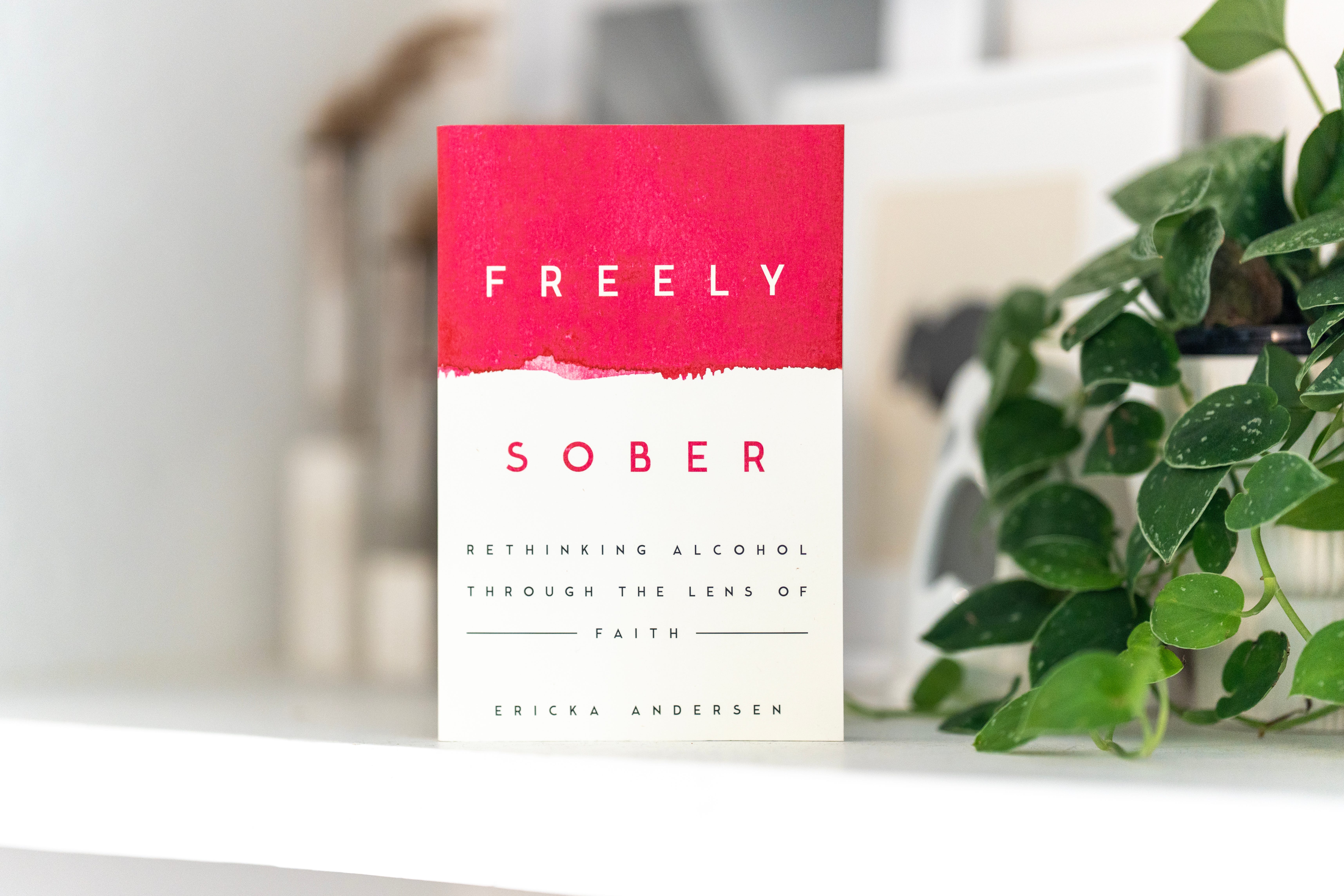
A note from Robert: I’m sharing this essay from my friend, Ericka Andersen, because it captures a quiet struggle many families in Middle America face, but rarely talk about. Her story speaks to the intersections of faith, community, and personal agency, aligning with the themes we explore here. It’s honest, hopeful, and deeply needed. I’m grateful to feature it, and I hope you’ll preorder her third book, “Freely Sober,” on Amazon.
Alcohol is the socially acceptable coping mechanism of middle America. We love to sing Jimmy Buffet’s “5 O’Clock Somewhere,” and blast country music songs about whiskey and women and broken hearts. But behind the humor lives a quiet crisis – one that rarely hits headlines but is spiritually devastating all the same.
I know this because I lived it.
Not in a bar or amid crazy chaos, but in a stable, churchgoing, middle-class life that looked fine from the outside. I wasn’t falling apart dramatically, but I was internally adrift – spiritually dulled, emotionally numbed, and exhausted from using alcohol to “manage” life. I was “getting by,” but when you never reach the destination, it becomes lifelong self-medication.
Most people don’t know how many everyday American Christians struggle with substances in some form or fashion. It doesn’t always look like the stereotype of addiction and for that reason, it’s hidden within the routines of everyday life.
Millennials like myself were raised to “get over it” (trauma, hardship, unfairness, struggle) and never got the chance to process our experiences. The weight of that buried, unprocessed pain led some of us toward a numbing agent – one that was really a trap.
The Heartland Is Hurting, Quietly
When we talk about addiction in America, we often focus on the opioid crisis or extreme devastation. But alcoholism is more of a slow burn, eroding:
marriages
mental clarity
spiritual sensitivity
parenting patience
purpose and direction
It’s a gradual collapse, like a building that breaks down one brick at a time. You don’t always see it happening, which is why we need this conversation more than ever. One of the best resources for people living amid addiction is a faith community, and yet in many churches, alcohol (and other drugs) are either tiptoed around or ignored entirely.
Because of that, people lack the opportunity to share their struggle. It feels too prickly, too vulnerable and unflattering to bring up out of the blue. But, what if they were presented and opportunity to get help or share in confidence? We’re missing that explicit and intentional space in the church today.
The truth is, sobriety is spiritual – it must be.
Sobriety Is a Spiritual Rebuild
Sobriety didn’t save me – Jesus did. But, He used my struggle and sobriety to build my faith and clarify our relationship to the point I could see again.
Alcohol addiction isn’t just chemical. It’s spiritual and we must approach this problem, both individually and societally, in such a way. In my new book, Freely Sober, I remind readers it’s no surprise alcohol is often referred to as “spirits.” Inebriation changes you and incpacitates you to be the person God created you to be, at least temporarily.
There is a reason we feel so out of alignment after a night of drinking. There is a reason we get this silent pull to stop putting it int our bodies. And yet, we return to it again and again hoping the next time will be different.
What most people mean when they tell me they “can’t stop drinking” is this:
They can’t carry their pain alone. The alcohol has become like a friend – soothing, numbing, calming, helpful. But, like an abusive partner, there’s a lot of lying, gaslighting and broken promises about the long-term results.
And that’s why fellow Christians and the Church must lead. Not with shame or suspicion, but with discipleship, community, confession, and a reminder that God alone is our refuge and strength – the one who can never break a promise.
If the church wants to revive its communities – rural, working-class, middle America, specifically – it must speak honestly about alcohol’s effects on individuals and families. It must support people in the gray zone between “fine” and “falling apart.” Christians don’t need more platitudes. They need a place to tell the truth. This is a discipleship moment – and a chance for the church to lead in freedom.
An Invitation For You
If any part of this feels familiar—if you’ve wondered whether alcohol is taking more than it’s giving—I wrote Freely Sober: Rethinking Alcohol Through the Lens of Faith for you.
It’s a faith-centered path toward clarity, peace, and healing, grounded not in willpower, but in God’s transforming grace.
You don’t have to walk this road alone. And you don’t have to wait for your life to fall apart before you choose a new one.
Pre-order Freely Sober today, and let this be the moment your story begins to change.
Ericka Andersen is a writer & mom of two in Indianapolis, Indiana. She’s the author Freely Sober, Reason to Return & Leaving Cloud 9. She writes regularly for Christianity Today, WORLD, the Wall Street Journal & more.
 | A guest post by
|
Thank you for allowing me the space to write about this, Robert!